
Simple Holiday Survival Moves for (upper) String Players
In need of a little relief this gig season? Active Violinist wants to help you feel your best during this crazy time of the year. Here are a few moves to help ease some of the seasonal aches and pains that often accompany a busy performance season.
Happy Holidays!
I know, I know, my last post was all about how I LOVE the Nutcracker. It is my favorite holiday tradition etc. etc. etc. and IT IS don't get me wrong! I was not lying! I love the music, choreography, costumes, and story. For many young years of my life, I attended the Nutcracker every December.
I just forgot about a few little things in that post that make it difficult to love when you are performing this ballet several times per weekend, often multiple times in a day. Add to that all of the hopping around town, playing in multiple Christmas performances and productions, and preparing students for recitals and auditions. Sometimes just keeping my schedule straight feels like mental gymnastics and running from rehearsals to performances feels more like a workout than a commute!
Many of us do the happy Nutcracker dance and spend many hours playing Tchaikovsky’s most beloved ballet, collecting paychecks earned from hours spent in the dark, cramped pit, crouched over our music stands and trying not to poke other musicians in the face with our bows. I can only speak as an upper string player, but my goodness this environment really bring out the aches and pains!
The pit presents a multitude of difficulties that are often swept under the stage. My colleagues and I often hobble out into the hallway during intermission rife with pain and discomfort from maintaining unhealthy or unnatural body positions in the orchestra pit. I would argue that there are certain restrictions in the pit that amplify or expedite any discomfort one may feel when performing ON the stage rather than below it.
Here are some of the issues working against us:
Reduced space - sometimes if I get a little too excited in a musical figure I literally knock into my stand partner or a violist! My chair is definitely not where I would prefer it, but I can guarantee that I am not the only one who feels this way. The first violins are tucked up against a wall that has a drop off by their feet!
Awkward Sightlines - the conductor is much higher in regards to the orchestra for obvious reasons: he has to see what is happening on the stage. The neck angle required to see him is significant for us and I have yet to find a way to position my music stand to see the notes and the maestro at the same time.
Darkness/lighting - I am getting old. The pit really highlights this. If you're a musician who has ever played the Nutcracker you know that 85% of the parts consist of terribly printed music in that very handwritten style that is super difficult to read if you add ledger lines, accidentals, dynamics, articulations, pretty much anything. I find myself sometimes squinting and leaning forward to actually see some of the notation and make sure my eyes aren't playing tricks on me.
Busy schedules - Yes, sometimes we do more than one Nutcracker in a day but if you add to that the other rehearsals and performances, you better believe that we barely have time to gulp down a meal in between services.
Stress - When I'm stressed my shoulders and neck get even tighter. I don't know a single person, let alone violinist (or violist) who benefits from super tight shoulders. Our jobs already add quite a bit of neck and shoulder discomfort at the best of times. The holidays are stressful for everyone but the added tension certainly does not help us do our job.
Repetition - Yes, multiple performances. Multiple shows. Multiple deja vu moments as we take our seats and feel the aches in the exact same places (can you say Apotheosis of this freaking piece with the seemingly endless tremolo - what a killer).
The list goes on....
Standing in the hallway during intermission griping about discomfort with my colleagues, I decided to teach them a few of the moves I use to relieve some of the tension. The feedback was enthusiastic. I mean, I should have known it would be but I was not prepared for the reports of immediate physical relief, enhanced concentration, and reduced feelings of stress. I should have been! I wrote about the subject because I 100% believe in these positive outcomes.
For those of you who are unaware, I just completed my dissertation titled “Using Iyengar Yoga to Enhance Violin Playing” (you can read it here) and spent months researching and practicing yoga and applying it directly to violin playing in a variety of settings. Although I technically did not address the pit environment there are several asanas that are directly applicable and appropriate for the types of discomfort experienced in this environment.
These are very simple moves focused on the upper body, arms, shoulders, and back. They can be done in concert clothes, and do not require much space (we did these in the hallway backstage), or many props, make minimal contact the questionable floor (who wants to be rolling around on the floor in their performance attire?), and are accessible to most.
A few of my comrades graciously agreed to model different versions of each pose for this post and I can't thank them enough for their help.
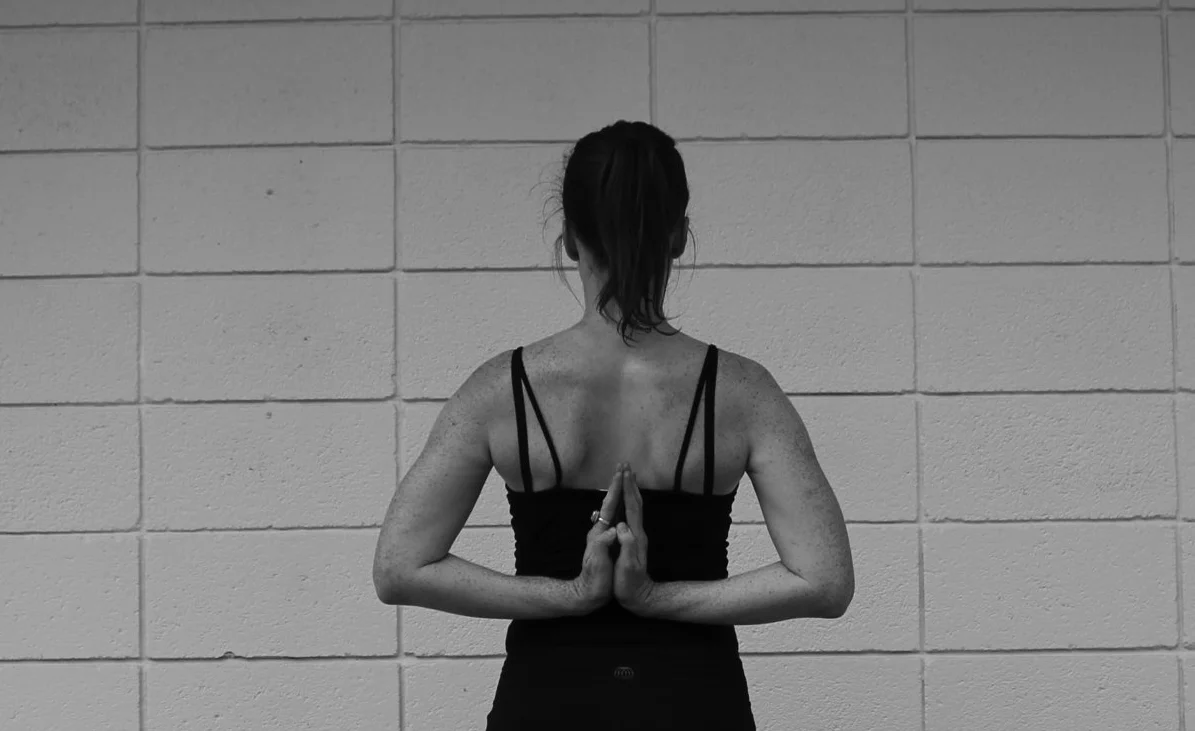
Tadasana Paschima Namaskarasana - Mountain Pose with Reverse Prayer Hands
(for those unfamiliar with Sanskrit, Tadasana, or Mountain Pose is simply standing with weight distributed evenly across both feet. For this post, it simply means we are not doing any fancy leg variations).
This pose stretches the Teres Major, Subscapularis, Rhomboids, Trapezius, Teres Minor, Infraspinatus, and Deltoids.
Iyengar says this pose reduces depression, increases the flexibility of the upped body, arms, elbows, and wrists.

Here we have 3 hand placements depending on flexibility: Ronna shows the full hand placement with palms of the hands touching (upper right), I show very little wrist flexibility but still the shoulder rotation (bottom), Phil touches just his fingertips together while still trying to pull his shoulders back. Wherever your body is, the shoulders are KEY. Work to pull them back, do not let them slump forward!
Tadasana Gomukhasana - Cow Face Arms.
This pose stretches the Teres Minor, Rhomboids, Latissimus Dorsi, Subscapularis, and Triceps.
Iyengar says this pose boosts confidence, improves breathing by opening the chest, activates the muscles of the shoulders and back, and helps relieves arthritis in the shoulders, elbows, wrists, and fingers by stretching the arms,

Here again, we see Ronna in the full expression (upper left), I use my rosin rag to get a better extension while still not being able to clasp my hands together, and Phil works on the rotation at the elbows and shoulder. This one is a killer for tight triceps and I really feel it when I'm performing all the time! In real life, I would have handed Phil a strap. He is working to push his left elbow up towards the ceiling here while keeping his chest open.
Tadasana Garudhasana - Eagle Arms
This pose stretches the Trapezius, Infraspinatus, Teres Minor, Teres Major, Latissimus Dorsi, and Serratus Anterior
Iyengar says this pose removes stiffness in the shoulders.

Ronna again shows the final arm position in this one (top right) with a side view and frontal view (with a smile). Phil is working towards the hand clasp but can feel the stretch in his back around his shoulder blades. I am showing the back engagement without the hand clasp for anyone working towards that initial expression of the pose. My elbows are raised, which stretches my mid back between the shoulder blades and feels so so SO good!
To shine a little light on all those fancy muscles listed above please see the diagram below (a big THANK YOU to Jeff Montague for helping me create this).

Missing from this diagram are:
Deltoid - Do you see the shoulder muscle between where the Upper Trapezius and Teres Major are labeled in the diagram above? Where your arm would extend out to the side if the entire upper body was included here. Behold! The Deltoid!
Latissimus Dorsi - See that big swoopy muscle underneath the Infraspinatus in the above diagram (left side again)? That is the Latissimus Dorsi.
Triceps - Situated on the back of the arm. They work in opposition to the bicep. They are not pictured here, but you know where your arms, right?
Subscapularis - This one is tricky because it sits UNDERNEATH the shoulder blades and you can't actually see it unless you were a skeleton with an invisible ribcage. It is very important for shoulder movement and tends to get caught up in all the string player discomfort.
When I hold yoga asanas, however simple they may seem, I don't count seconds I count deep inhales and exhales. If you do this, you will feel your body much more intimately and most likely hold these poses a little longer than 30 seconds or whatever. I tend to start with 6 inhalations and exhalations, and add more if I need to, want to, have the time, etc. You will also feel each pose intensify and followed by a magical release when you breathe into this tension. When you return to neutral you can almost feel the blood swoosh through your arms and back (swoosh is definitely a correct anatomical term) as increased blood flow returns to those areas.
The goal of this post is to help you find relief while at work. I am not trying to paint a bleak picture of our working environment at all! Some aches and pains are inevitable in this line of work and these poses offer a little release. The benefits of these poses are not limited to violinists and violists either. I bet if you spend time in the car, at a desk, texting, staring at your phone (I am guilty of all of these) then you will also find these simple moves therapeutic.
*Disclaimer - It is best to seek help from someone with experience, a yoga teacher or physical therapist when first attempting these. They are intended to help NOT hurt. Please understand that each body is different and you should respect the limitations of your own body.
What do you to fight off the aches and pains in the pit? Are you looking for more suggestions? Leave a comment below. Believe me, I have way more where this came from!
Sources:
Gray, Henry, and H. V Carter. Gray’s Anatomy. New York, N.Y.; Lewes, 2013.
Iyengar, B.K.S., Yoga: The Path to Holistic Health. Revised edition. New York, N.Y.: DK, 2014.
Iyengar, B.K.S., Light on Yoga: Yoga Dipika. Rev. ed. New York: Schocken Books, 1979.
Kaminoff, Leslie, and Amy Matthews. Yoga Anatomy. 2nd ed. Champaign, IL: Human Kinetics, 2012.
Self Care
Self-Care!
Here's mine - What's yours?
Share your secrets, habits, tips, and tricks for staying at the top of your game.
What do you need to feel like you can handle anything?
Recently, there has been an article about self-care circulating around Facebook via several ladies I know. The tag, if you look closely is Self Care: How to Take Care of Yourself When You Have Depression. I am not a person who suffers from depression unless you count a few relatively short bouts of sadness, but this article really got me thinking about how one does and should take care of one's self.
What does Self-Care Even Mean?
Social media leads me to believe that self care is motivational quotes served over a Sex And The City style boozy brunch, blowing off impending deadlines in favor of some fabulous time with my ladies and/or a credit card, eating decadent meals and treats, buying expensive things, wearing incredible 'impromptu' outfits and taking beautiful Instagram photos (And yes, it is true that there is something totally cathartic about these things). OR a hike in the woods, with a spur of the moment pretzel-twist yoga pose with perfect lighting and a "You are Enough" tagline. Don't get me wrong - that's the kind of Self-Care I yearn for but is not necessarily practical in the day to day marathon of my Life.

The Atlantic wrote a really lovely piece on Self-Care, and how it fits with the rest of the internet (click here to read it)
According to dictionary.com Self-Care is
noun 1. care of the self without medical or other professional consultation.
goodtherapy.org says
The term self-care describes the actions that an individual might take in order to reach optimal physical and mental health. Mental health professionals often use the term self-care to refer to one's ability to take care of the activities of daily living, or ADLs, such as feeding oneself, showering, brushing one's teeth, wearing clean clothes, and attending to medical concerns. Physical self-care, such as sleep and exercise, is also an ADL.
Self-care can also refer to activities that an individual engages in to relax or attain emotional well-being, such as meditating, journaling, or visiting a counselor. Because an extended failure to care for one’s self can result in illness or hospitalization, individuals who find themselves unable to take care of their own needs may find it helpful to speak to a therapist.
In fact, I think Self-care is really what you need it to be. It can be anything from wearing clean clothes and feeding yourself to indulging in recreational activities. The University of Kentucky has a nice little hand out on the subject that covers the generals quite nicely (click here) I don't necessarily think this solves any of the things that need self care solving.
Anyways, my brain started churning and I started evaluating my habits and habit goals to figure out where I hide some self-care and what it looks like.
I broke my self-care goals and habits into daily practices and long term habits to see what I do to LITERALLY take care of myself. Some of these things are really unfun and were covered in the aforementioned articles (e.g. paying bills, eating food, wearing clean clothes, brushing teeth etc.) and some are the "does that really count as self-care?" kind of way.
Behold! A list of what I do (and try to do) in order to maintain some sort of control over life on the musical run.
DAILY
Read a Book
Every night. Before Bed. Fiction if possible. Obviously not a whole book all at once. A couple pages will do. This will make you a more empathetic person. I'm not lying! The research is in and you can read it here
If you need a musical reason - look what the Kronos Quartet tweeted a few days ago... (click here to read the full Washington Post article)

This is scary guys! Don't let books die! Research says we need them! They make us human, they help us communicate! We need that, dare I say more than ever these days.
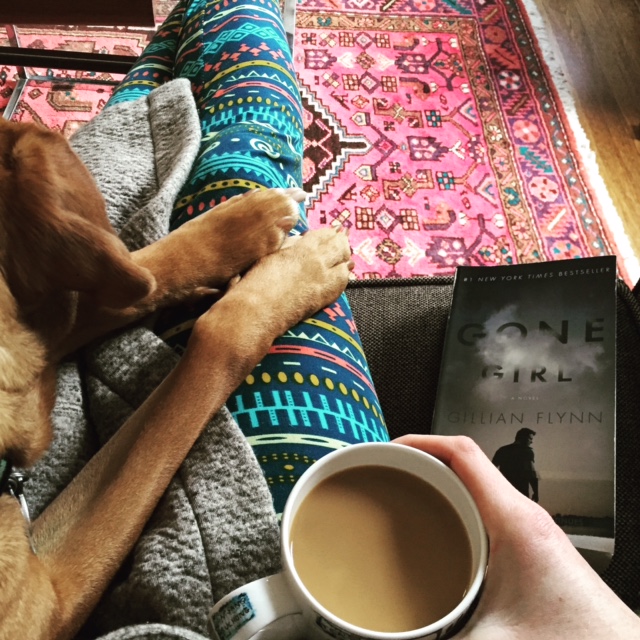
I still love this book. For the record, Blanche loves books and despises technology.
Calm
Magnesium. Not really something we think about very often. I will be the first to say that I didn't even know it was a thing we really needed until a few years ago and now I firmly believe that every performer needs to be hooked on this like drugs (or sugar). Our poor little adrenal glands are just pumping away and we drown them in coffee and stimulants making us more haggard, grumpy, groggy, anxious, nervous, etc. I started 'using' during my Masters Degree. Almost immediately I felt the effects. I was calm in the face of snarky professors, I didn't take things super personally, I felt rested in the morning , less jittery at performances and all around more clear headed (don't even get me started on bowel movements).

From www.breakingmuscle.com
According to the makers of Natural Calm, magnesium deficiency can result in symptoms such as: stress, low energy, muscle tension, muscle spasms and cramps, headaches, insomnia, fatigue and weakness, abnormal heart rhythms, hormonal imbalances, weakening bones, constipation, anxiety, and irritability.
~Hello everyday anxiety! I know I'm not the only one who complains about these things at rehearsals~
About Natural Calm
Natural Calm comes in powder form and should be dissolved into hot water. You will see the powder react to the water forming a fizzy solution.
According to Natural Vitality, Natural Calm is an ionic form of magnesium, which increases its bioavailability. As their brochure explains, "An ionic mineral is an element that has a charge, either positive or negative. On the molecular level, that means the element has either one too many one too few electrons. This unstable ionic state allows the element to bond readily with water, making it possible for the body to absorb it.” Natural Calm is easier to absorb into the body because of its liquid form and therefore more advantageous than taking magnesium by pill or capsule. In addition, Natural Calm is designed to have low acidity to allow it to both dissolve properly in water and not affect the pH-balance of your body.
For a good time add some Melatonin to the mix. I recommend writing your dreams down if you do this.
Stretch/Do Yoga
You don't have to go to a fancy yoga studio to stretch your body. You don't always have to do 'Power Yoga'. You don't have to lose albs of sweat to have a yoga practice.

Sometimes I have to squeeze my yoga in backstage, in heels and concert clothes.....that's how important it is to me!
In fact, just buy a book, or google a yoga class, or move your body in a way that makes you groan and moan (in a PG kind of way). I've been doing this long enough to know there are some pretty tight and 'juicy' spots in my body that need attention everyday. If I don't do this I literally feel like my body has been shrink wrapped in super tight plastic wrap. Do you know what that does to your psyche!? TERRIBLE, STIFF THINGS! The yoga teachers of the world know a thing or two about this and have written books galore on the topic. If you're new to my blog you might not know how cool I think B.K.S. Iyengar is and I really encourage you to skim some of his writings on the topic of yoga, pranayama, asanas, the sutras of Patanjali.
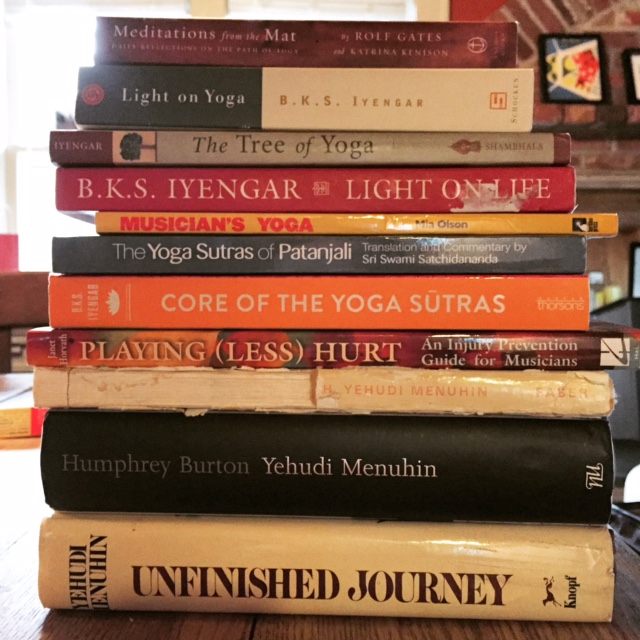
Books about YOGA, Violin, Music, B.K.S.Iyengar, meditation.....you probably need all of these.
I do this for a minimum of 30 minutes a day. Two words - HIPS and SHOULDERS. If you hit these bad boys with some yoga you will breathe deeper and feel calmer. I guarantee it. Sometimes I like to challenge myself and work on the 'fancy' stuff that you see all over Instagram, sometimes I like to hang out in poses for several minutes at a time, sometimes I do both.
Move your body
I consider exercise a daily necessity. I need to burn off some of the stress. I need to make my heart pump, my muscles sore, and my body sweat. I don't consider my physical maintenance a luxury, I consider it a necessity. A requirement for high caliber violin playing and teaching and inter-personal skill(ing).

running - just one kind of body moving I partake in.
Practice
Doesn't this count as work? Yes, I guess? But I'm not talking about prepping for the weekend concert, I'm talking about technical maintenance and improvement. I spend 30-60mins per day doing technical warm ups and drills. My dog and boyfriend hate me (and Carl Flesch) but again, this is not a luxury it is a requirement filed under Self-care.
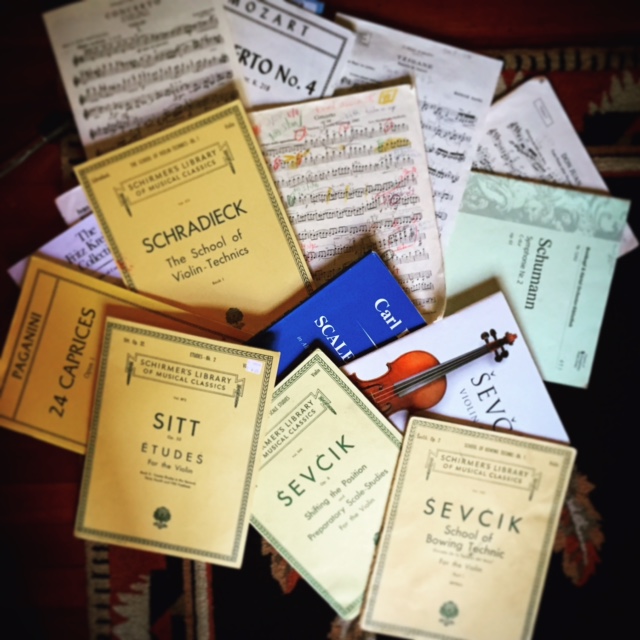
I see you hiding there Mr. Flesch.....
Hydrate
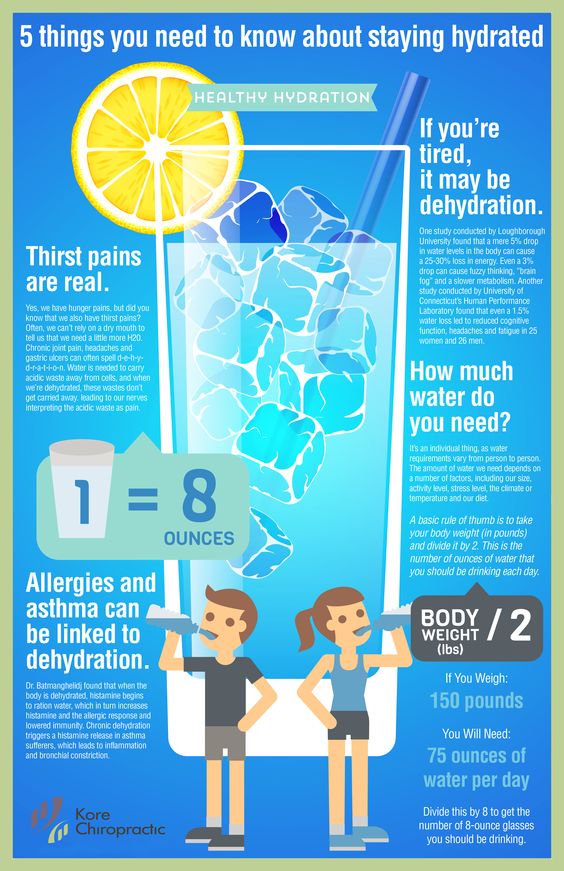
A constant struggle. I can typically be seen clutching an over-sized water bottle. No matter what this is difficult for me. One day my body will just give in and be hydrated. Until then I will neurotically keep my Hyro Flask close by at all times. Drinking enough water everyday flushes out all that yuck from your body, and helps you feel more energetic
WEEKLY
A Day Off!
This one is hard won. I am always so tempted to over schedule myself. MUST TAKE ALL WORK OFFERED is the general mindset of freelance musicians. This year, I have fought hard to keep one day obligation free. Don't get me wrong - I still 'work' I just don't get out of my pajamas, I don't teach a single lesson, and I certainly don't go anywhere work related.
This is tough.
When rescheduling lessons I'm often tempted to use this day to work with students or help out in the music library. Then my nagging internal voice says "NO! BE SELFISH!" And so far I don't regret it.
Sarah Paulson recently kind of spoke about this in an interview for GQ. She talks about finding success later in life, taking naps and reading books on a day off, and not feeling the need to work constantly. I used to think naps were for the weak! Now I applaud the confident napper. Your brain thanks you for those minutes (or hours) of snooze. Also, her interview is pretty great if you, like me, are not a child prodigy and didn't become wildly successful in your career early on in life.
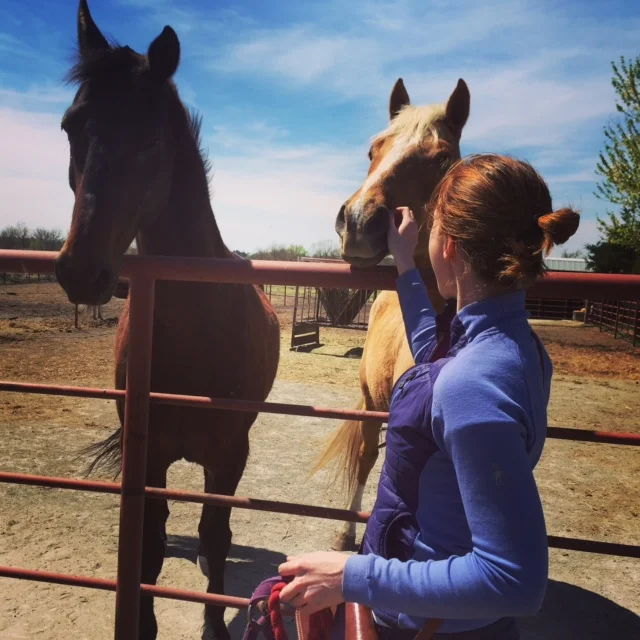
This mythical, mystical day off is also the day I go to my happy place - the horse barn - for a riding lesson and a few hours away from emails, phone calls, metronome speeds, bills, auditions, and dissertation writing. I always return home rejuvenated. Something about horses, man......more on that some other time.

Sonrise Stables
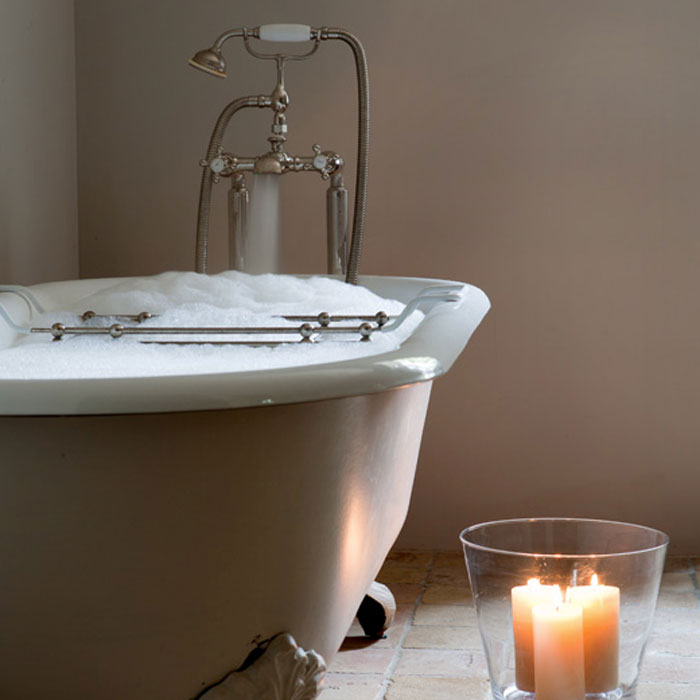
Bubble Bath
This is borderline Social Media Luxury. Honestly, I intend to do this once a week but it happens more like once a month.
Run a hot bath,
add Epson Salts,
add bubbles,
toss a few drops of Essential Oil in there.
apply a face mask,
light some candles,
turn on some music,
or a podcast, or book on tape (cramming empathy into every corner of my life!)
Just chill out.
Do NOT make To-Do lists, text, email, worry, stress, or let what is outside of the bathtub get you down.
After your bath go straight to bed. You will sleep like a baby and wake the next morning feeling refreshed and revived.
Monthly/Long term
Boring Stuff
Pay bills/clean the house/file all of the receipts/stare blankly at personal accounting software.
You get the picture. Some of this tuff should probably go on my weekly self-care list but honestly this is just a pile of 'care' that I do because I know it needs to be done.
Pedicure
I mean come on, a foot rub and some toe nail TLC never hurt anyone. Reflexology is a thing! Don't deny those pressure points! When was the last time you gave yourself a foot massage?...Exactly!

Plus this is pretty much the only time I ever open a magazine. It feels good to catch up on the gossip and fashion while my feet are being made fancy.
Body Massage
I wish this happened more often than it does. I know I sound like such a broken record over here whining about the aches and pains of string players but I genuinely believe the human body was not created with the intent of holding a string instrument for 3+ hours per day. A good body worker/massage therapist pretty much takes a rolling pin to the kinks (not really, obviously) and puts everything pretty much back in place. Plus it helps prevent and ease depression. So find yourself a good one and never let them go!

as read on www.MassageEnvy.com
Massage Therapy Helps Lift Depression
Taking time for massage is as important for people dealing with depression as it is for people dealing with arthritis, sports injuries and carpal tunnel syndrome. WebMD reviewed more than a dozen studies that revealed how massage can fight depression by lowering cortisol levels.
Cortisol is the body's response to stress, and massage therapy lowers it by as much as 50%. At the same time, massage provides many benefits and can also increase the levels of serotonin and dopamine, which are both neurotransmitters that help stabilize your mood.
Results of Massage
The International Journal of Neuroscience studied a group of people with spinal cord injuries who were also suffering from depression. Twice a week for five weeks, half the patients received two 40-minute sessions of motion exercises while the other half received two 40-minute massages.
Both groups improved their physical abilities during that time, but the people who received massage therapy also became less depressed. So even while exercise has long been accepted as a means of combating depression, massage not only provides additional benefits but can also relieve stiffness and soreness resulting from physical exercise.

What do you do to take care of yourself? Any seemingly boring tips? What about the fun and glamorous things? Leave a comment below and share your Self-Care!
Who Said That?
Want to play a game?
Is it just me or does everyone have a hard time keeping their inspirational teacher quotes straight?
Given the choice between Iyengar and Suzuki, can you guess "Who Said That?"
If you score 100% there is a prize with your name on it. But no cheating!
Almost two weeks ago (already? - wow time flies!) I packed my bags and headed to John Brown University in Siloam Springs to participate in Suzuki Teacher Training. What a week! Our class of 6 was a fun mix of personalities and experience, offering a wide range of perspectives on violin teaching, playing, practicing, school, and life.
It was an intensive week of observations, class time, recitals, presentations, and paper writing -I think I wrote more papers during this week than I did for my entire Masters degree!
We were required to read Dr. Suzuki’s book Nurtured By Love before our first day of training. Esther, our trainer recommended rereading this book periodically throughout the course of our teaching career. She also suggests that potential Suzuki parents read it before their first violin lesson. I kind of rolled my eyes about this at first but by the end of the week I totally got it. It isn’t a long read, and explains the philosophy behind the “Talent Education” method, aka the Suzuki Method.
As you might remember if you’ve read any of my other recent blog posts, I am currently knee deep in my dissertation research and writing, which takes a good hard look at Yehudi Menuhin and B.K.S. Iyengar. I was fully entrenched in the Iyengar side of research by the time I hit the rode for Suzuki training. After completing all of my Suzuki assignments for the day, and maybe practicing for a few minutes I would attempt to pursue my own research and writing so as not to fall too far behind.
Juggling materials written by Suzuki, Iyengar, and their students and followers, I started to get a little confused. Like “Did I read that in an interview with Iyengar last night? Or was that a Suzuki quote?”
So I thought it would be fun to play a little game called “Who said that?”
Below are selected quotes from Iyengar and Suzuki. Can you guess who said what? Leave your answers in the comments below. If you get them all right I might be tempted to figure out a prize for you. More like definitely tempted; thinking about prizes sounds like a really fun form of procrastination right now.
Good Luck!
1. “The Mind is the product of thoughts which are difficult to restrain for they are subtle and fickle”
2. “What is man’s ultimate direction in life? It is to look for love, truth, virtue, and beauty”
3. “Both acceptance and surrender are a form of meditation”
4. “When love is deep, much can be accomplished”
5. “Teaching is learning, and re-learning is true teaching”
6. “Practice only on the days you eat”
7. “As a teacher one must be a pupil within”
8. “Your body is the child of your soul”
9. “Everything depends on you”
10. “Success will come to the person who practices”
11. “Education means to teach and develop. Without develop there is nothing”
12. “Awareness follows intelligence”
13. “Self-evaluation is the highest sense as a human being. Children should not only advance but repeat and evaluate their progress”
14. “Memory is necessary for the development of intelligence”
15. "Don't hurry, don't rest. Without stopping, without haste, carefully taking one step at a time will surely get you there."
16. “Children want to know everything. They grasp fast. They have both one-channeled and all-pointed attention, and they should be encouraged to develop this faculty”
17. “If you have the spirit of a young child, you never age”
18. “I respect all living things”
19. “True concentration is an unbroken thread of awareness”
20. “Do not hurt anybody’s heart”
21. “The keys to unlocking our potential are the qualities of purity and sensitivity”