
The Real and the Made Up about Strads
Just a quick review of 2 books about Strads from my quarantine book pile. These two are extra fun for violinists (and other musicians) who will know many of these famous references and personalities. What are you reading while you’re stuck at home these days?
This one is about books, and a few I’ve read recently because I’m spending even more time than usual reading and listening to books these days. For however long this quarantine/self-distancing period, I am committed to reading the music books on my shelves that have been neglected. I just finished two that center around Stradivarius violins. One historical, one fiction. Both highly entertaining and worth a read by anyone.

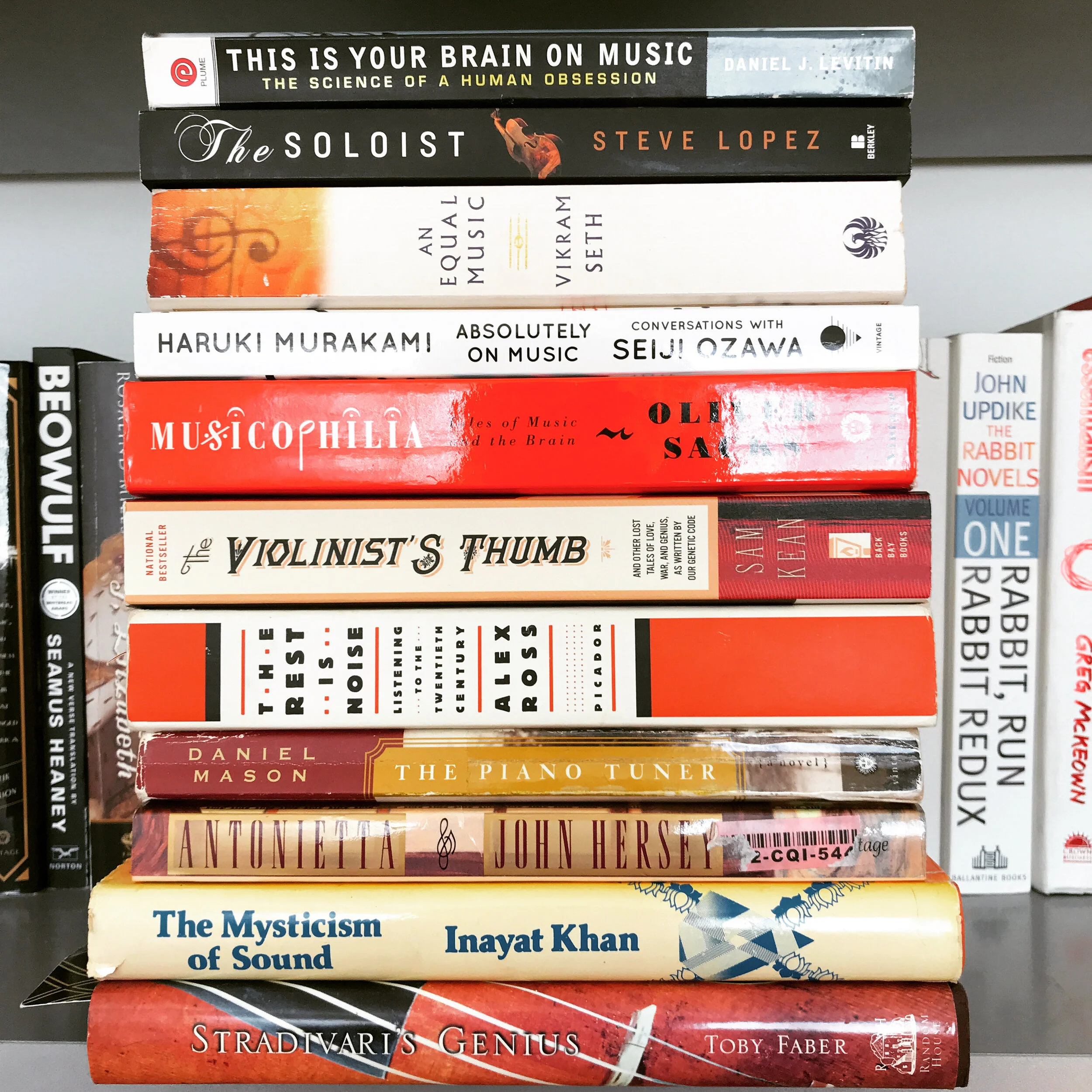
My quarantine book pile.
The first, Antonietta, by John Hersey, was recommended to me by my dear, non-musician friend who found it at her co-working space. She said we should read it as the start of a book club, so I bought it. I had never heard of the author, which is kind of embarrassing because he won the Pulitzer Prize in the 80s. This book, published in the early 90s and tells the story of a fictional Strad called the Antonietta.
The book is similar in premise to the movie, The Red Violin, which also follows the life of a Stradivarius through time documenting the lives of its owners. While The Red Violin is scandalous and filled with wild twists and turns and the most ridiculous stories and salacious personalities, this story is slightly more subdued. It follows the fictional violin from its creation, to the hands of W.A. Mozart and his student in Paris, to Baillot and Berlioz, to Stravinsky, Ramuz, and the fictional violinist Federovsky in Switzerland, and finally to a made-up violinist and Wall Street scandal in New York. Hersey writes each chapter in a different style; the first is prose, Mozart's section is written as letters back and forth to his father, sister, and female friends. The chapter about Baillot and Berlioz is set out in five symphony movements. It chronicles the fictional crafting of Symphonie Fantastique, Stravinsky's section is diary entries by the various characters involved, and the last is a film script.
Hersey is so knowledgeable about music and music history that after a while, you start wondering if you're reading the source material. Most people know who Berlioz is, and many violinists –I hope- know who Pierre Baillot was (if you don’t, he was a French violinist living in the 19thcentury and was on faculty at the Paris Conservatory with the famous violinists Rudolphe Kreutzer and Pierre Rode whose etudes are still studied today) but I was surprised to see him used in a work of fiction and in such a prominent way. The chapter about Stravinsky and Ramuz documents the creation of L’Histoire du Soldat as the two creators hideout in Switzerland during the Spanish Influenza epidemic of 1918 -how appropriate to be stuck inside reading this now, during the coronavirus.
I found myself double-checking facts and names, dates, and places. Then I looked Hersey up to figure out how he might know so much, so fluently about violin history. This goes beyond research for a specific project, which typically reads much more novice or pedantically. His writing speaks of such a casual and intimate knowledge of the subject matter. It is almost like talking about Kreutzer etudes you’ve played, versus trying to talk about ones you haven’t (for the record, I’ve played all of them, Ha!). Anyways, this is a snippet about Hersey:
“John Hersey was born in Tientsin, China, in 1914. He began taking violin lessons there when he was eight years old, from a White Russian émigré, who later moved to the United States and played for decades with the Boston Symphony. Hersey’s family returned to the United States in 1925.”
There is a nod to the Boston Symphony at the end of the book, although I will not give any spoilers. He also lists many of his sources at the back in the notes. Anyways, if you enjoy well-researched historical fiction about music and violins, this is a good one, if a little dry in some parts.
The second book I read was Stradivari’s Genius by Toby Faber (of the publishing family/company, Faber and Faber). This book had a similar premise but followed five violins and one cello through time. It was fascinating to read the history of several Strads, the virtuosos who played them, which dealers bought and sold them, and for how much. There are some fantastic stories about famous violinists, including Paganini – who, contrary to folklore, did not live a fantastically glamorous life. By that, I mean, he had some nasty disfiguring diseases not limited to Marfan Syndrome. You learn so much about the famous players who briefly accompanied each instrument. For instance, I had no idea that Viotti spent several years in the Wine business as a way to supplement his income. Anecdotally, Yo-Yo Ma plays the Davidoff cello, previously owned by Jacqueline DuPré, which was named for a cellist who was almost famous for not practicing. Also, don’t get me started on Vuillaume and Tarisio. The stories about the luthiers and dealers are nearly as shocking and gossip-worthy as the stories about the players.
And I find it kind of bizarre that the violin considered the pinnacle of Stradivari’s craft, the Messiah, was never played on the stages of the world. Isn’t that strange? The instrument luthiers throughout time (still to this day) try to imitate never had to prove itself onstage.
Reading these books back to back felt like the violin history class I wish I had taken in college. Sometimes the historical text was more riveting than the made-up stories.
Anyways, I’ve moved on to other musical books from my quarantine-reading list. Currently on my nightstand is The Soloist by Steve Lopez. It is eye-opening to read about Skid Row in the early 2000s but heartwarming to learn how enthusiastically the LA Phil (my employer) embraced Nathaniel Ayers. This book paints a grim story of life on the streets in Los Angeles. Still, it also brims with stories about music's unique ability to unite us through the good and the bad, no matter where you sleep at night.


I hope you and your family are safe and well during this period of self-distancing.
What are you reading?
Book Recommendations 2015-2019
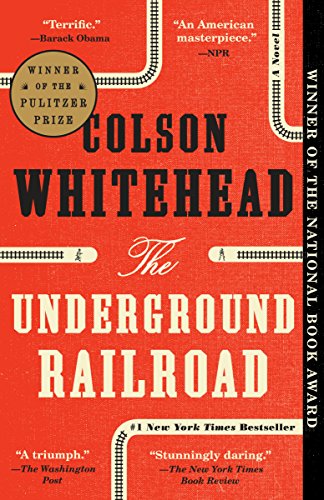
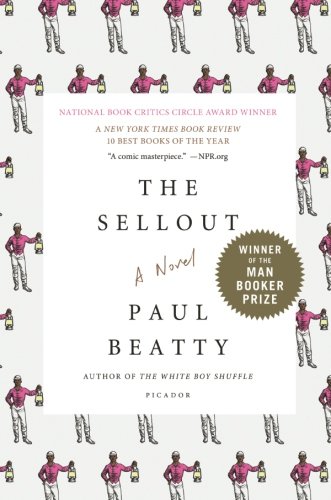
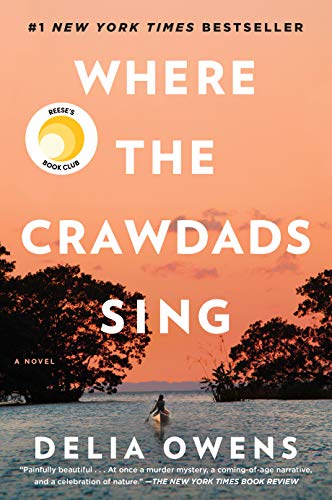
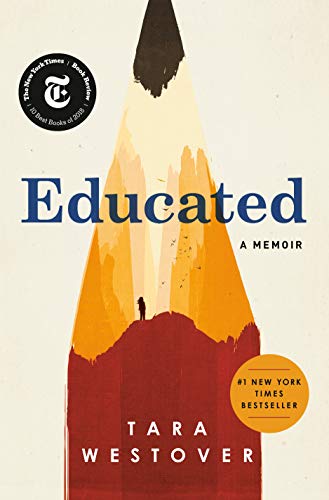
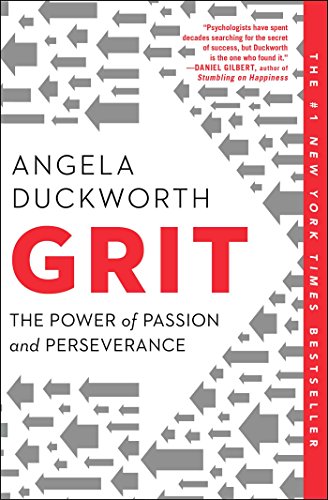
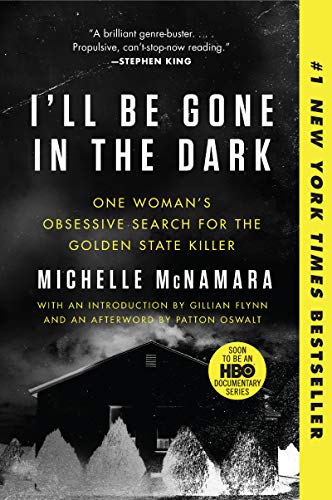
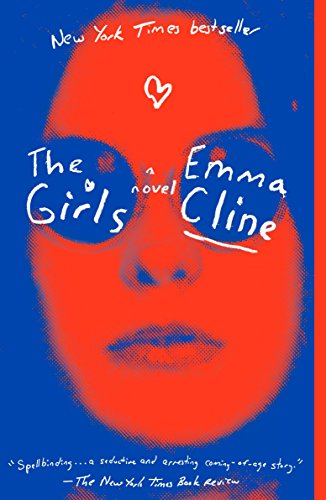
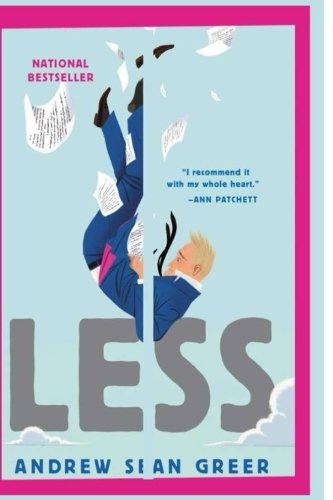
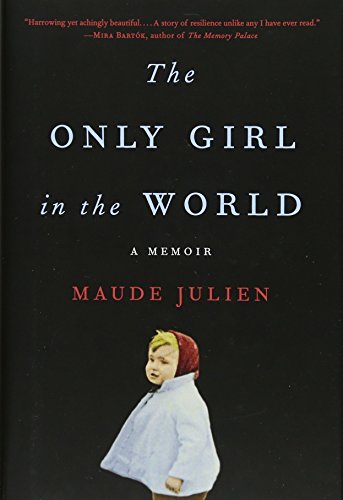
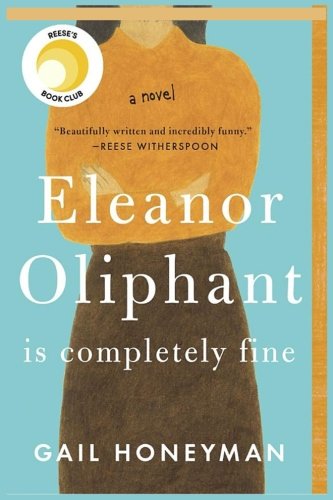
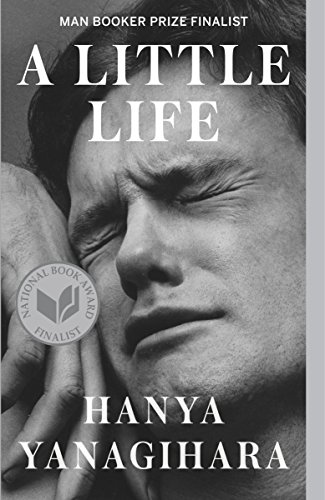
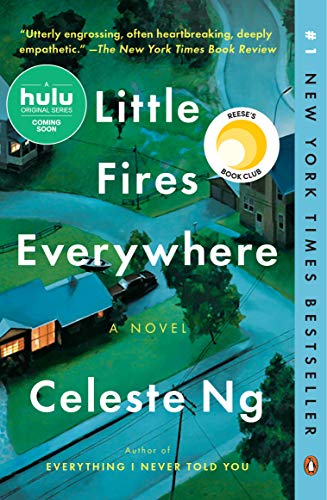
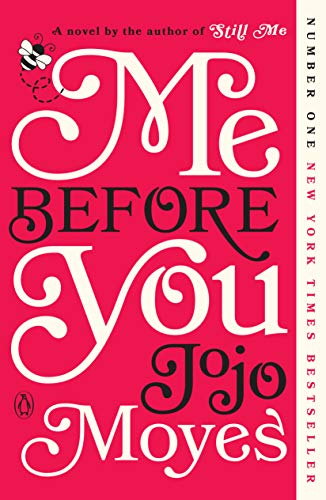
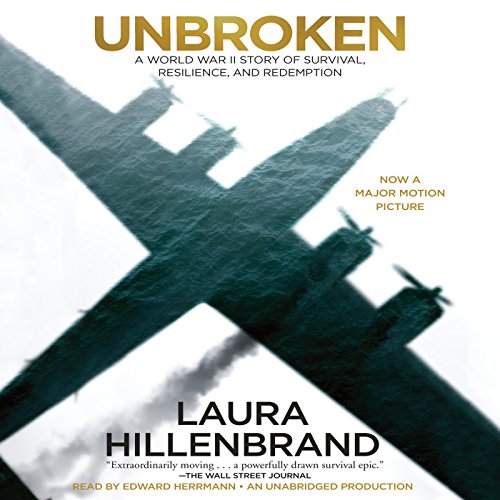
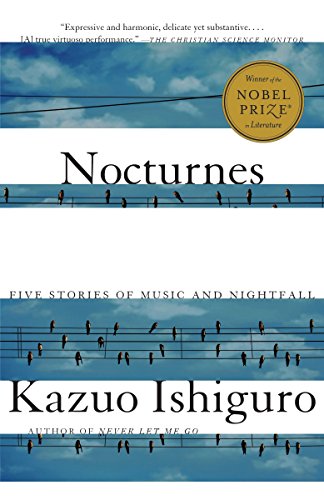
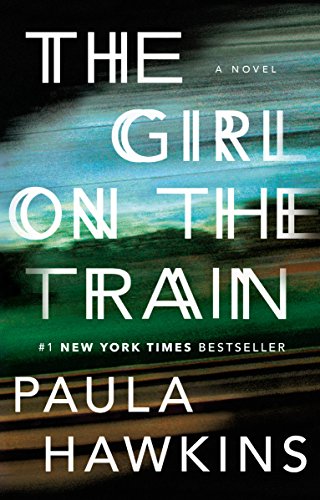
Over the past 5 years I’ve read 207 books. I can’t believe it! I feel so proud of that number. I’ve been keeping track of the books I read so I can compare notes with my Nana. Here are my favorite books from the last 5 years. Please leave a comment if you agree, disagree, or having any reading suggestions. I love talking about books.
I shared this on my Instagram, but then realized I have several readers who are not on social media. In case you don’t know, I have a yearly book reading challenge with my Nana. I thought I’d take a moment to reflect on some of the most enjoyable reads since we started our challenge 5 years ago. Just an FYI, I read pretty much anything from fiction to non-fiction and everything in between. I think reading plays a huge role in how I view and interact with the world at large and want to share some of my favorite books with you in case you are looking for something good to read, or agree (or disagree) on some of these selections.
In case you were wondering, here are my reading goals and track record since the challenge began:
2015: 27/25 books read
2016: 31/30 books read
2017: 39/33 books read
2018: 52/40 books read
2019: 58/50 books read
Total: 207/178
I am totally shocked and impressed by my own reading abilities. in 5 years, I more than doubled my yearly reading.
Anyways, I’ve read some fantastic books over the years and thought I’d share my favorites here. I will move backwards in time with my selections and I’m not posting any reviews, but drop a comment at the bottom. I love talking about books.
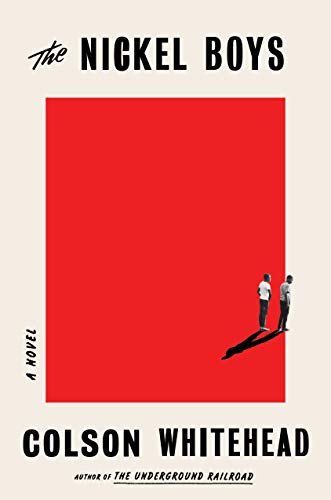
2019








2018



2017
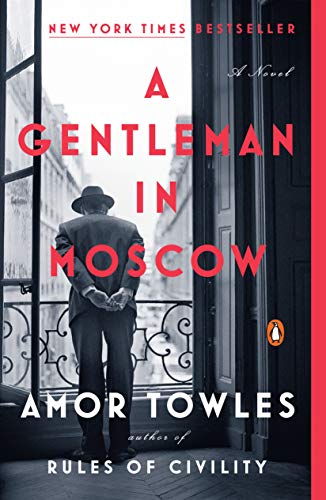


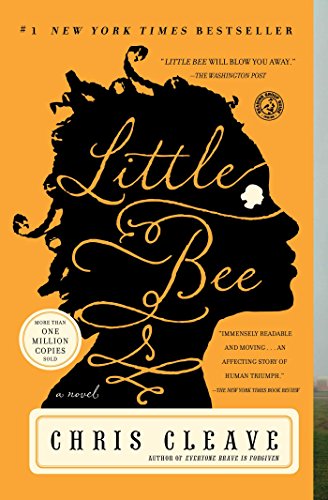
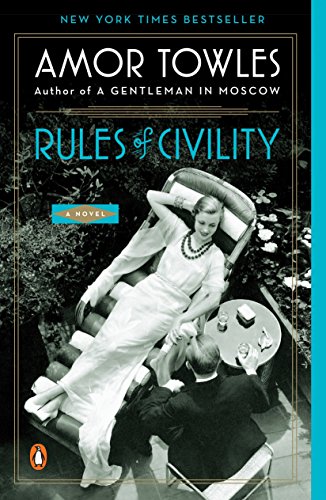
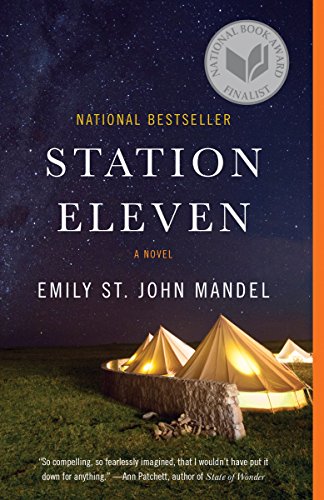


2016
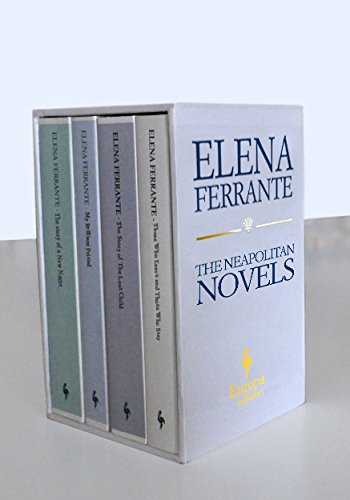

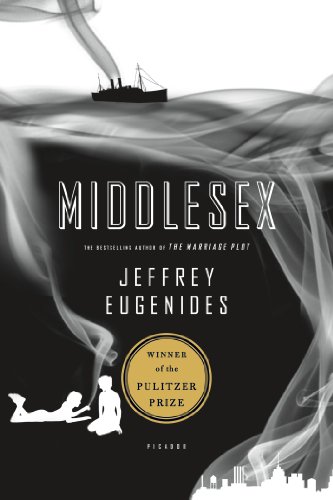
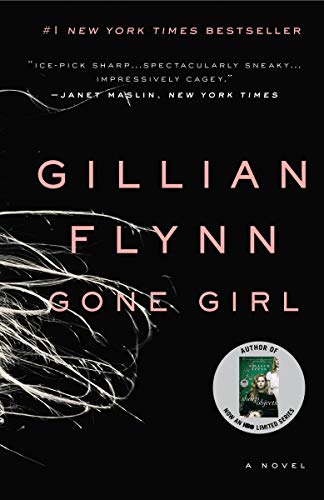

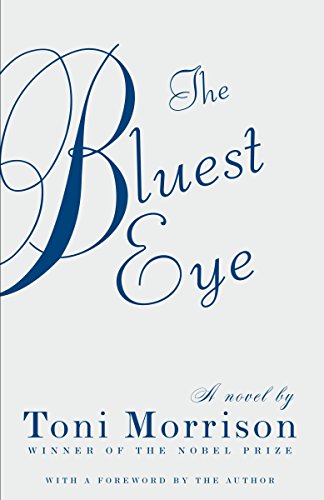

2015


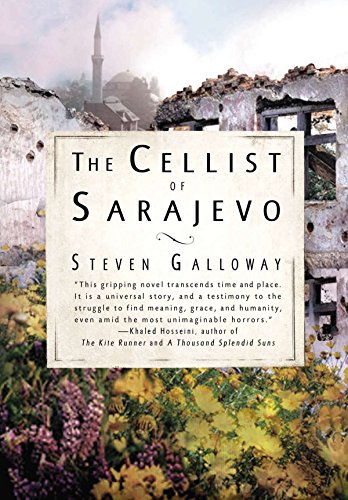
The Cellist of Sarajevo
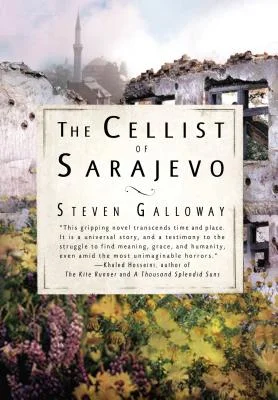
A brief overview of The Cellist of Sarajevo by Steven Galloway. The music, the context, and the things that really grabbed my heart and twisted it around. I couldn’t shake this book easily, so I thought I would share it with you just in case you’re in need of a compelling read that happens to include the power of music.
I recently read The Cellist of Sarajevo by Steven Galloway. It is a relatively short book set in the 1990s Siege of Sarajevo. The premise pivots on a cellist who plays the Adagio by Albinoni for 22 days in a row to honor the 22 people who died in a bombing while waiting for bread. The book follows 3 separate people through their life at that time, who do not directly interact with the cellist or each other, but who are deeply affected by what he does; a female sniper tasked with keeping him alive, a bread maker whose family has escaped the city, and a father who must travel through the city to get fresh water for his family.
From Goodreads:
This brilliant novel…tells the story of three people trying to survive in a city rife with the extreme fear of desperate times, and of the sorrowing cellist who plays undaunted in their midst.
One day a shell lands in a bread line and kills twenty-two people as the cellist watches from a window in his flat. He vows to sit in the hollow where the mortar fell and play Albinoni’s Adagio once a day for each of the twenty-two victims. The Adagio had been re-created from a fragment after the only extant score was firebombed in the Dresden Music Library, but the fact that it had been rebuilt by a different composer into something new and worthwhile gives the cellist hope.
Meanwhile, Kenan steels himself for his weekly walk through the dangerous streets to collect water for his family on the other side of town, and Dragan, a man Kenan doesn’t know, tries to make his way towards the source of the free meal he knows is waiting. Both men are almost paralyzed with fear, uncertain when the next shot will land on the bridges or streets they must cross, unwilling to talk to their old friends of what life was once like before divisions were unleashed on their city. Then there is “Arrow,” the pseudonymous name of a gifted female sniper, who is asked to protect the cellist from a hidden shooter who is out to kill him as he plays his memorial to the victims.
Perhaps because I was a child when the siege occurred, I was a little (read very) hazy on the details of this tragedy. While reading this book, I had to dig up some of the facts and history of what actually happened in order to make sense of such a travesty.
Owlcation did a pretty good job of summing up some of the facts:
Starting in 1992, the city of Sarajevo, capital of the Republic of Bosnia and Herzegovina, came under siege and was subjected to daily shelling and sniper attacks from Serbian forces in and around the city. The siege lasted from April 6, 1992 to February 29, 1996, the longest siege in modern history-- a year longer even than the Siege of Leningrad during World War Two.
When Yugoslavia's leader Marshal Tito died in 1980, the country's constituent ethnic and religious groups began vying for control. Some wanted independence; some wanted Yugoslavia to continue-- though under their control.
After the Republic of Bosnia and Herzegovina (hereafter referred to as “Bosnia”) declared its independence on March 3, 1992, Serbia, along with Bosnian Serbs and, initially, Croatia, prepared for war and sporadic fighting broke out in parts of Bosnia. As tensions mounted, 40,000 Bosnians, Serbs and Croats from all over Bosnia demonstrated for peace in Sarajevo on April 6, 1992, the same day that members of the European Union recognized Bosnia as an independent state. This show of ethnic unity angered Serb nationalists who fired into the crowd. This was considered the start of the Siege of Sarajevo.
Serbs and Bosnian Serbs held positions inside the city, including the airport, as well as in the surrounding hills. By May 2, the entire city was surrounded. They cut off supplies, including food and medicine, as well as water, electricity and heating fuel. Though equipped with superior weaponry and fully supplied, the Serbs were outnumbered by the city's defenders who were armed with anti-tank weapons and were able to stop the attacking armored columns. Faced with this standoff, the Serbs decided to lay waste to the city with their artillery and terrorize the population with sniper attacks.
Serbs and Bosnian Serbs held positions inside the city, including the airport, as well as in the surrounding hills. By May 2, the entire city was surrounded. They cut off supplies, including food and medicine, as well as water, electricity and heating fuel. Though equipped with superior weaponry and fully supplied, the Serbs were outnumbered by the city's defenders who were armed with anti-tank weapons and were able to stop the attacking armored columns. Faced with this standoff, the Serbs decided to lay waste to the city with their artillery and terrorize the population with sniper attacks.
This fictionalized telling of an actual occurrence painted a horrific scene. Kenan’s trek through the city to get water for his family is harrowing and the dreaming of simple luxuries that we take for granted, like shaving, consistent electricity, running water, being able to laugh carefree and spend time with friends carves such a bleak picture of the reality of the situation. I could not believe, reading this book and reading about the Siege, that this happened during my lifetime (and I’m not THAT old).
The Cellist of Sarajevo
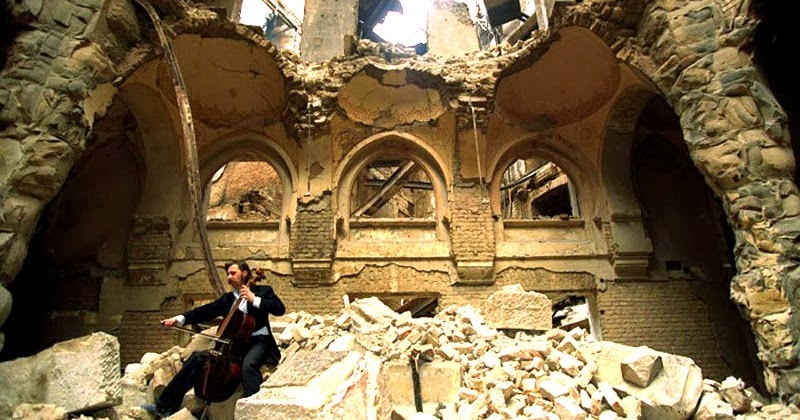
While this is a work of fiction, the book is based on a real cellist, Vedran Smailović, of the Sarajevo Philharmonic Orchestra, who played outdoors in the ruins of the city and at funerals regardless of the constant threat of snipers and shellfire. I did not realize that composer David Wilde wrote a piece for solo cello called The Cellist of Sarajevo in his honor. Steven Galloway notes that Smailović managed to escape Sarajevo in 1993 and now resides in Northern Ireland.
Albinoni’s Adagio in G
Here’s a brief what’s what from Wikipedia:
The Adagio in G minor for violin, strings, and organ continuo is a neo-Baroque composition popularly attributed to the 18th-century Venetian master Tomaso Albinoni, but actually composed by 20th-century musicologist and Albinoni biographer Remo Giazotto, purportedly based on the discovery of a manuscript fragment by Albinoni.
The composition is often referred to as "Albinoni's Adagio" or "Adagio in G minor by Albinoni, arranged by Giazotto." The ascription to Albinoni rests upon Giazotto's purported discovery of a manuscript fragment from a slow second movement of an otherwise unknown Albinoni trio sonata.
According to Giazotto, he obtained the document shortly after the end of World War II from the Saxon State Library in Dresden which had preserved most of its collection, though its buildings were destroyed in the bombing raids of February and March 1945 by the British and American Air Forces. Giazotto concluded that the manuscript fragment was a portion of a church sonata in G minor composed by Albinoni, possibly as part of his Op. 4 set, around 1708.
I lamely wasn’t sure if I knew this piece when I read the title, but when I looked it up it was one of those “oh duh of course I know this piece” moments. If you’re like me, and don’t recognize the title take a listen and I’m pretty confident you’ll recognize it.
Back to the Book
The cellist’s actions are questioned in the book, Arrow, is sent to protect him from assassination, the International media covers the performance, and Smailović is (still) seen as a global humanitarian hero. One of the characters in the book points out how the performance seems frivolous in the face of such danger and bleak conditions, until he witnesses his playing. Smailović plays at 4pm everyday for 22 days in a row and more and more people come to witness his memorial to the city.
I finished this book a few weeks ago and didn’t shed a tear, but it continues to weigh on me. I keep thinking about the living conditions of the residents of the city, losing loved ones and neighbors everyday, living in constant fear and the power of music to express something that is so hard to put into words. Something that captures the attention of the whole world, but touches deeply the people immediately surrounding the bombing and the city. How even the sniper sent to kill him (in the book) cannot help but put his gun down and listen to the performance. How Arrow considers it her most important mission yet, to keep the cellist alive.
I’m not one to wax lyrical about “the power of music” but truly there is something to it. Just like when Rostropovich played at the Berlin Wall, and now Yo Yo Ma is doing at the Mexico border, music does form a bridge that connects disparate parts. You don’t have to analyze the performance, the piece, the historical accuracy, or the acoustics, you just have to be present for the experience. Does it change anything quantifiable? Who knows. But is that really the point? Are you supposed to make a spreadsheet every time you hear something that moves you deeply? (god, I hope not).
This review was written simply because I could not thinking about this book. Below are links to the sheet music and the book If you’re interested in obtaining a copy for yourself.
 look inside
|
Adagio in G Minor Composed by Tomaso Giovanni Albinoni (1671-1751). Edited by Werner Thomas-Mifune. Cello & Piano. Baroque. Instrumental solo book. With bowings and fingerings. 6 pages. Edition Kunzelmann #GM1670. Published by Edition Kunzelmann (PE.GM1670). |